

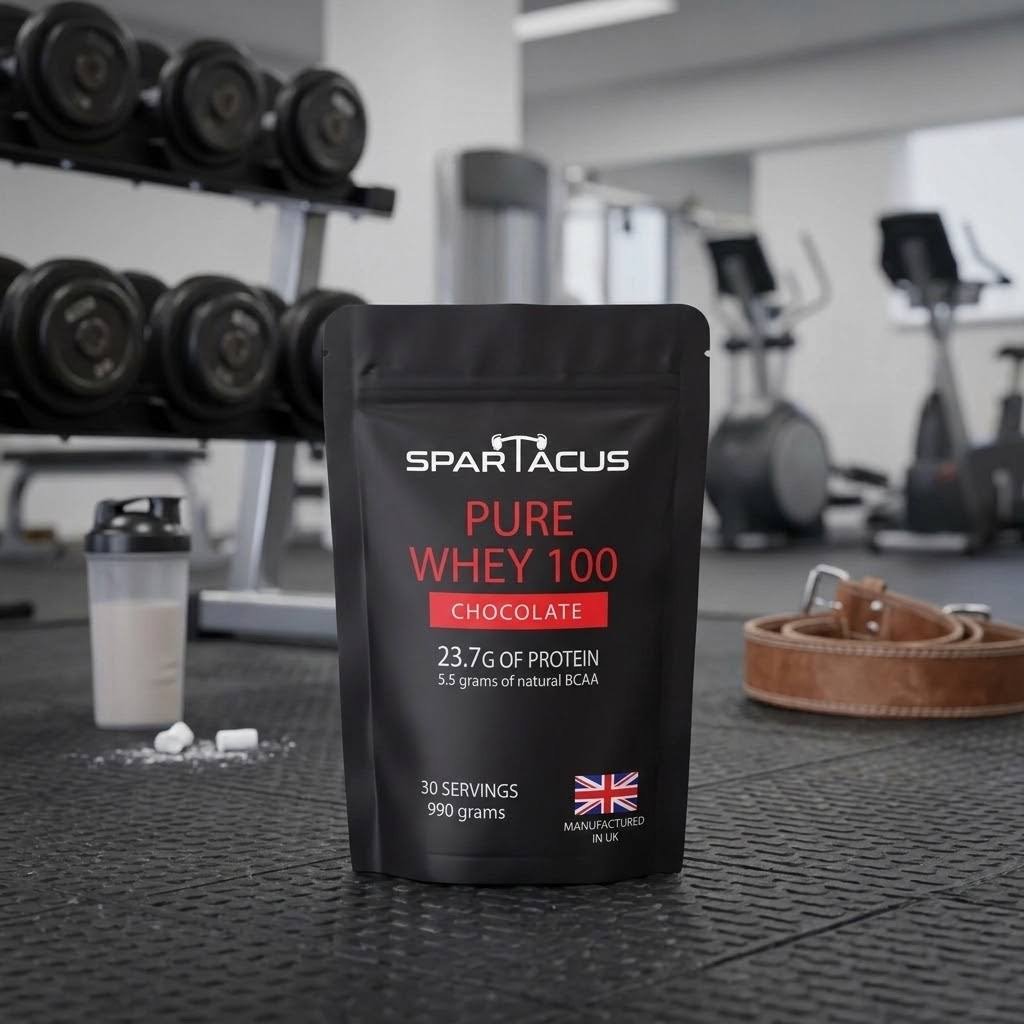
Whey comes from milk, but that does not establish that every finished whey protein powder is gluten-free. Flavorings, added ingredients and manufacturing cross-contact can change the answer. Check the exact product, flavor and current label rather than treating “whey,” “isolate” or a brand name as a gluten-free guarantee.
For US shoppers with celiac disease, the practical question is not whether the protein source is wheat. It is whether the finished powder meets your needs and carries reliable, applicable information.
What does a US gluten-free claim mean?
The FDA gluten-free labeling rule and questions and answers apply to foods including dietary supplements. Among its requirements, unavoidable gluten must be below 20 parts per million. Manufacturers are responsible for compliance; the rule does not require every manufacturer to test every finished lot or obtain third-party certification. A certification can provide additional information, but it is a separate claim to verify.
A five-step check for the exact tub
- Identify the product: full name, flavor, size, country-market label and batch where relevant.
- Find the claim: look for an explicit gluten-free statement instead of inferring one from a short ingredient list.
- Read every ingredient: check inclusions and flavor components, including cookie, cereal or malt ingredients. A flavor name alone cannot settle the question.
- Ask about uncertainty: request the manufacturer’s current gluten information and cross-contact controls for this exact formula.
- Verify certification: if advertised, check the certifier’s own listing rather than relying only on a seller’s picture.
A marketplace may display an older photograph. Save the seller’s answer and compare it with the container that arrives. If the formula or flavor does not match, pause before using it.
Gluten-free, lactose-free and milk-free are different
| Label question | What it addresses |
|---|---|
| Gluten-free? | Gluten-related ingredients and finished-product compliance. |
| Lactose-free? | Milk sugar; this is a separate question. |
| Milk-free? | Milk proteins and milk allergy; whey is a milk protein. |
NIDDK distinguishes lactose intolerance from milk allergy. A whey powder being gluten-free would not make it suitable for someone with a milk-protein allergy. Likewise, “isolate” does not by itself establish every dietary claim.
What should you ask the manufacturer?
Use a specific question: “I am considering [product, flavor and size] sold in the United States. Does this finished formula carry a gluten-free claim? What information supports it, and does it apply to this batch and market label?” Attach a photograph of the label if possible. A general statement about an unflavored raw material is not the same answer.
If the reply merely says “contains whey” or “no wheat added,” follow up about the finished product. For celiac disease or uncertainty about a particular ingredient, involve your clinician or dietitian rather than trying an unverified powder as a test.
Does this establish that Spartacus whey is gluten-free?
No product-specific certification or gluten test is established by this guide. Check the exact current pack and request supporting information before relying on a gluten-free claim. You can use our whey nutrition-label guide to compare the nutrition panel separately, and contact Spartacus Protein for current product documents and US availability.
Educational guide for US readers; source review October 16, 2026. No US stock, delivery promise or product-specific gluten certification is implied.