


Creatine monohydrate is one of the most widely studied sports nutrition supplements and is commonly used by athletes, gym-goers, and people looking to support strength and high-intensity training performance.
But what exactly does creatine do? How much should you take? Do you need a loading phase? And should you take creatine before or after your workout?
This guide explains how creatine monohydrate works, its potential benefits, how to use it, and how it can fit alongside protein supplements in your nutrition routine.
What Is Creatine Monohydrate?
Creatine is a naturally occurring compound found mainly in skeletal muscle. The body produces creatine from amino acids, and smaller amounts can also be obtained through foods such as meat and fish.
Inside the muscles, creatine helps support the production of adenosine triphosphate (ATP), which provides energy for short, intense efforts.
Creatine monohydrate is the most extensively researched form of supplemental creatine and is commonly used to increase muscle creatine stores.
Quick Answer
Creatine monohydrate helps increase the availability of rapidly usable energy in the muscles, which can support strength, power and repeated high-intensity exercise when combined with appropriate training and nutrition.
What Does Creatine Do?
During demanding exercise, your muscles require energy quickly.
ATP provides this immediate energy, but the amount readily available in muscle is limited. Stored phosphocreatine helps regenerate ATP during short bursts of intense activity.
Increasing muscle creatine stores can therefore help support repeated high-intensity efforts such as:
- Weight training
- Sprinting
- Explosive movements
- High-intensity interval training
- Sports involving repeated bursts of power
Creatine isn’t a replacement for training, protein, calories or recovery. It works as part of an overall nutrition and training strategy.
What Are the Benefits of Creatine Monohydrate?
1. Supports High-Intensity Exercise Performance
One of the primary reasons athletes use creatine is its ability to support performance during repeated bouts of high-intensity exercise. Creatine is also one of the most extensively studied ingredients used in sports nutrition.
This can be particularly relevant for resistance training, sprinting and other activities that depend heavily on rapid energy production.
2. Supports Strength and Power
When combined with consistent resistance training, creatine supplementation can help support improvements in strength and power.
Being able to perform slightly more training volume or maintain performance across demanding sets may also contribute to better training quality over time.
3. Can Support Muscle Growth During Resistance Training
Creatine is not a protein supplement and does not directly replace dietary protein.
However, by supporting training capacity and performance, creatine can complement a resistance-training program designed to build muscle.
Creatine also increases water content within muscle cells, so some people notice an increase in body weight after beginning supplementation.
4. Helps Replenish Muscle Creatine Stores
Regular supplementation increases and maintains creatine stores in the muscles.
This is why consistency is generally more important than trying to find a perfect time of day to take creatine.
How Much Creatine Should You Take?
A commonly used maintenance amount of creatine monohydrate is approximately 3–5 grams per day.
For many adults using creatine for sports nutrition purposes, taking it consistently each day is a straightforward approach.
Always follow the serving instructions of the specific supplement you are using.
Individual requirements can vary, and anyone with a medical condition, taking medication, pregnant or breastfeeding, or otherwise unsure whether supplementation is appropriate should speak with a qualified healthcare professional.
Do You Need to Load Creatine?
No. A creatine loading phase is not required.
There are two common approaches.
Creatine Loading
A traditional loading strategy uses approximately 20 grams per day, divided into several smaller servings, for around 5–7 days before switching to a lower daily maintenance amount.
This can saturate muscle creatine stores more quickly.
No Loading
Alternatively, you can simply take approximately 3–5 grams every day.
Muscle creatine stores will increase more gradually, but you can still reach elevated stores with consistent supplementation.
For many people, the simpler daily approach is easier to maintain.
When Is the Best Time to Take Creatine?
There is no strong reason for most people to obsess over an exact minute or narrow timing window.
Consistency matters more than whether you take creatine immediately before or after your workout.
You can take creatine:
- Before training
- After training
- With a meal
- Alongside a protein shake
- At another convenient time during the day
Choosing a routine that helps you remember to take it consistently is usually the practical priority.
Should You Take Creatine on Rest Days?
Yes, creatine is generally taken daily, including on rest days.
The goal of regular supplementation is to maintain elevated muscle creatine stores rather than create a temporary pre-workout effect.
On a rest day, simply take your regular daily serving at a convenient time.
Can You Take Creatine and Whey Protein Together?
Yes. Creatine and whey protein serve different nutritional purposes and can be used as part of the same sports nutrition routine.
Creatine primarily supports rapid energy availability during high-intensity exercise.
Whey protein provides protein and essential amino acids that contribute to meeting daily protein requirements and supporting muscle maintenance and growth.
For people whose goal is building muscle, the two supplements can therefore complement each other rather than compete with each other.
If you’re deciding whether your nutrition plan needs more protein or additional calories, read our guide: Whey Protein vs Mass Gainer: Which Is Right for Your Goal?
Creatine vs Whey Protein: What’s the Difference?
Creatine and whey protein aren’t substitutes for each other.
| Creatine | Whey Protein |
|---|---|
| Supports rapid energy production | Provides dietary protein |
| Commonly used for strength and power | Helps meet daily protein requirements |
| Usually consumed in small daily amounts | Serving size depends on product and protein needs |
| Does not replace dietary protein | Can supplement protein intake from food |
Which one you need depends on your diet, training and goals.
Some athletes use both.
Is Creatine Only for Bodybuilders?
No.
Although creatine is popular among bodybuilders and people who lift weights, its applications extend to many activities involving repeated high-intensity efforts.
It may be relevant for people participating in sports such as sprinting, football, combat sports and other strength- or power-focused activities.
Whether creatine is useful for you depends on your training style, nutrition and individual goals.
Does Creatine Cause Weight Gain?
Some people experience an increase in body weight when they start taking creatine.
This is partly because increased creatine storage can increase water inside muscle cells.
That should not automatically be interpreted as an increase in body fat.
Longer-term changes in muscle mass will depend on factors including training, diet, calorie intake, protein intake, genetics and recovery.
Do You Need to Drink More Water When Taking Creatine?
Maintaining adequate hydration is important for everyone who exercises, regardless of whether they use creatine.
Your hydration requirements vary depending on factors such as:
- Body size
- Training intensity
- Temperature
- Humidity
- Sweat rate
- Daily activity
This is especially relevant when training in warm climates such as Jordan and elsewhere in the Middle East.
Rather than relying on one fixed water target for everyone, maintain appropriate daily hydration and increase fluid intake when training or sweating heavily.
How Long Does Creatine Take to Work?
The timeline depends partly on how you take it.
A loading protocol can increase muscle creatine stores relatively quickly, while taking a smaller daily amount without loading produces a more gradual increase.
Creatine should therefore be viewed as a supplement that works through consistent use rather than something expected to produce an immediate sensation after one serving.
How to Choose a Creatine Supplement
When choosing a creatine supplement, look at what you’re actually getting per serving.
Creatine monohydrate is the form with the largest body of research supporting its use.
A straightforward creatine product also makes it easier to understand how much creatine you’re consuming each day.
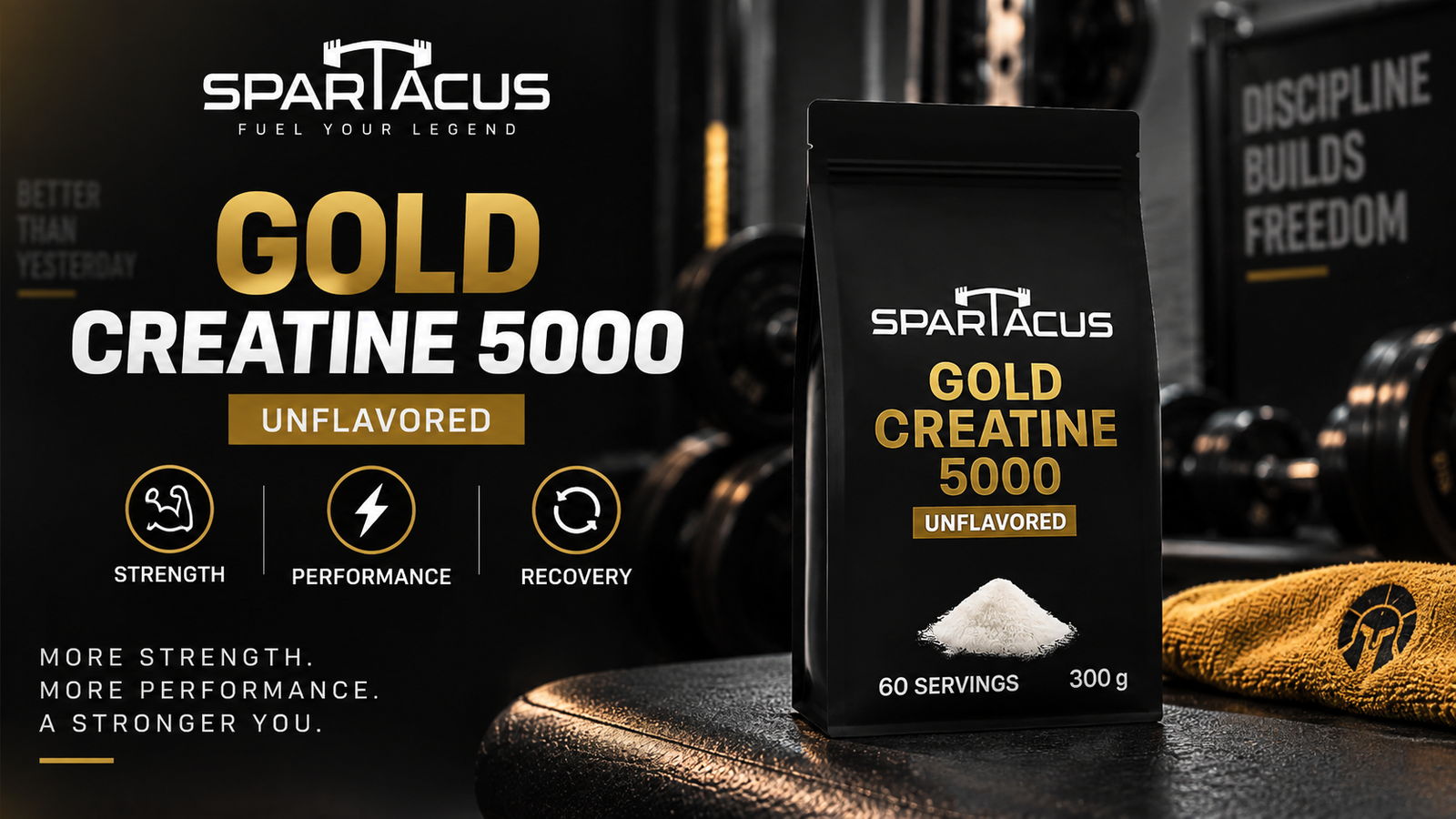
Spartacus offers Spartacus Creatine 5000, providing 5 g of creatine per serving, designed as a straightforward option for athletes and active individuals looking to incorporate creatine into their sports nutrition routine.
How Creatine Fits Into Your Nutrition Plan
Supplements work best when the fundamentals are already in place.
Your overall plan should prioritize:
- Appropriate daily calorie intake for your goal
- Sufficient dietary protein
- Consistent resistance or sports training
- Adequate hydration
- Sufficient sleep and recovery
- Consistency over time
Creatine can complement these fundamentals, but it cannot replace them.
Frequently Asked Questions About Creatine
Is creatine monohydrate good for building muscle?
Creatine can support training performance and, when combined with resistance training, can contribute to improvements in strength and lean mass over time. Building muscle still requires appropriate training, nutrition, protein intake and recovery.
How much creatine should I take per day?
A commonly used maintenance amount is approximately 3–5 grams of creatine monohydrate per day. Follow the directions on your supplement and seek professional advice when appropriate.
Should I take creatine before or after my workout?
Either can work. Consistent daily intake is generally more important than precisely timing creatine around your workout.
Can I take creatine every day?
Creatine is commonly supplemented daily, including on non-training days, to maintain elevated muscle creatine stores.
Do I need a creatine loading phase?
No. Loading can increase muscle creatine stores faster, but taking approximately 3–5 grams consistently each day can also increase stores over time.
Can I mix creatine with whey protein?
Yes. Creatine can be added to a protein shake or taken separately. Creatine and whey protein have different functions and can complement each other.
Is creatine a protein?
No. Creatine is not protein and cannot replace dietary protein. It is a compound involved in rapid energy availability within muscle.
Where can I buy creatine in Jordan?
Creatine supplements are available through sports nutrition retailers and online stores in Jordan. When choosing a product, check the type of creatine, serving size, ingredient information and usage instructions.
Build Your Sports Nutrition Routine with Spartacus
Choosing supplements should start with understanding your goal.
Whether you’re focused on strength, muscle development, sports performance or meeting your daily nutrition requirements, build your supplement routine around consistent training and a balanced diet.
Explore Spartacus Creatine 5000 and the wider Spartacus Protein sports nutrition range to find products suited to your training and nutrition goals.
Train consistently. Fuel intelligently.